Announcing the Second Edition of Brain Words (Available now on Amazon.)
As an Amazon Associate I earn from qualifying purchases.
About Brain Words
A lot has changed since the original publication of Brain Words. The first edition was very much a call for change, and change has indeed happened! In the years since the original publication, to our delight our mission to advocate for the science of reading has been amplified and has brought a new focus to how we teach reading.
Written for beginning or seasoned teachers, homeschoolers, teacher educators, as well as parents who want to fully engage in their child’s literacy development, this updated and highly readable new edition presents brain science, reading research, and theory in ways that can be understood and directly applied in teaching, ultimately leading to efficacious science of reading based literacy instruction.
Gentry and Ouellette show how an understanding of the science of reading can shape teaching to help make all students literate. Building on their science of reading based framework of “brain words”—dictionaries in the brain where students store and access word spelling, pronunciation, and meaning—the authors offer a wealth of information to transform your thinking and practice.
Brain Words
HOW THE SCIENCE OF READING INFORMS TEACHING
By
J. Richard Gentry
&
Gene P. Ouellette
“Spelling and Brain Words are at the very core of the reading brain”
J. RICHARD GENTRY, PH.D
BRAIN WORDS FILLS THE GAP!
THIS BOOK IS DESIGNED TO HELP FILL THE GAP BETWEEN THE SCIENCE OF READING AND WHAT WE DO IN THE CLASSROOM. BRAIN WORDS EXPLAINS READING THEORY, RESEARCH, AND THE NEUROLOGICAL READING CIRCUITRY IN WAYS THAT TEACHERS CAN UNDERSTAND AND CLEARLY RELATE TO THEIR CLASSROOM INSTRUCTION. Below watch a short video where Dr. Gentry explains how Brain Words fills that ‘gap.‘
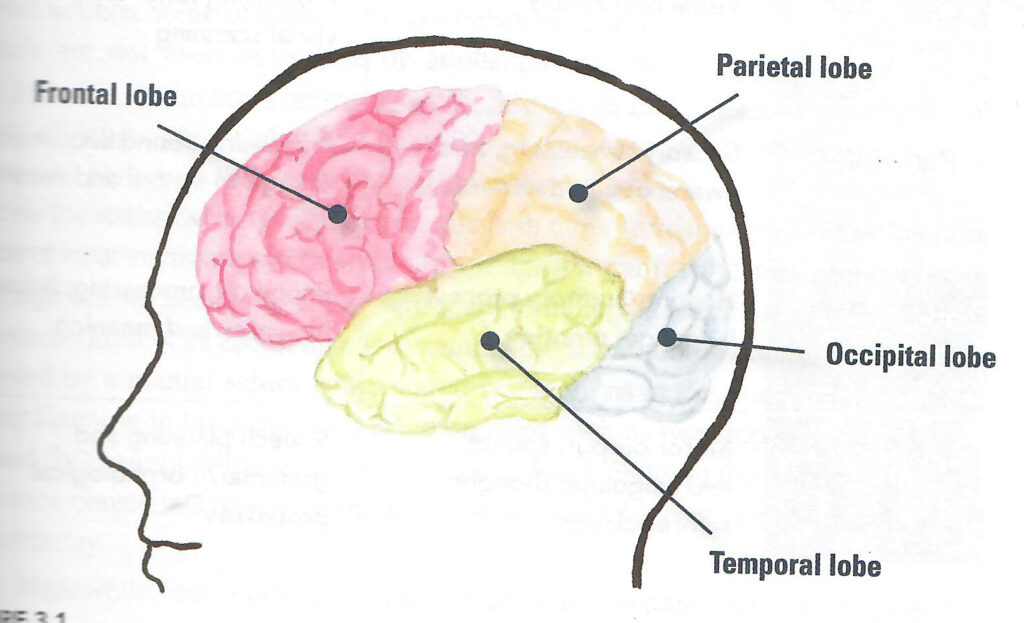
The past two decades have brought giant leaps in our understanding of how the brain works. But these discoveries—and all their exciting implications—have yet to make their way into most classrooms.
In Brain Words: How the Science of Reading Informs Teaching, authors J. Richard Gentry and Gene Ouellette, bring their original, research-based framework of “brain words”—dictionaries in the brain where students store and automatically access sounds, spellings, and meaning.
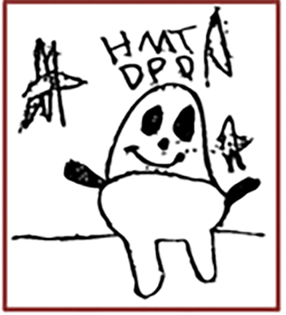
Brain Words will show how children’s brains develop as they become readers and discover ways you can take concrete steps to promote this critical developmental passage.
- Product details
- Publisher : Routledge; 2nd edition (November 28, 2024)
- Language : English
- Paperback : 192 pages
- ISBN-10 : 1032753943
- ISBN-13 : 978-1032753942
- Item Weight : 12.5 ounces
- Dimensions : 7.44 x 0.44 x 9.69 inches
EDUCATION / Professional Development
EDUCATION / Teaching Methods & Materials / Reading & Phonics
EDUCATION / Elementary
EDUCATION / Teaching Methods & Materials / Language Arts
EDUCATION / Classroom Management

Up-to-date knowledge about reading and neurological circuitry, including evidence
that spelling is at the core of the reading brain
- Tools to recognize what works, what doesn’t, and why
- Practical classroom activities for daily teaching and student assessment
- Insights about what brain research tells us about whole language and phonics-first
movements - Deepened understanding of dyslexia through the enhanced lens of brain science
Reviews:
I really enjoyed Brain Words. It’s an easy, engaging read that connects research to real classroom practice in a way that actually makes sense. The ideas are practical, respectful of teachers’ time, and immediately usable. This is one of those professional books that feels energizing rather than overwhelming. Highly recommend for anyone interested in how vocabulary, background knowledge, and the brain work together. (Amazon Review)
The book is an easy to understand text explaining the latest scientific information about reading. (Amazon Review)
Beautifully worded how and why Brain Words (Orthographically Mapped Words) are the key to proficient literacy outcomes and backed those claims to current research.
Will be recommending to colleagues this fall.

TWO ARE BETTER THAN ONE!
Building Brain Words for Beginners
Now Available from Amazon, Brain Words co-authors (Gentry & Ouellette) have just released a companion book of lessons based on their science of reading research.
In as little as ten minutes a day, these lessons complement any reading program.
Brain Words Study Guide
The following are suggestions to help groups of educators read, discuss, and extend the ideas from Brain Words to their classrooms. These ideas will come to life as teachers put them into practice with students. With that in mind, we have developed discussion questions, pulled provocative quotes, and provided professional development ideas from each chapter to facilitate reflection on the text. The format of the study guide is designed to support a study group of teachers, but it can also be used individually as a reflective structure for those reading the book alone. The suggestions offered in the guide are designed to foster collaboration, spark new thinking, and support the transfer of new ideas into the classroom.
Author Bios
J. Richard Gentry, PhD
Author of 18 books and 2 popular text book series (Spelling Connections, Kid Writing, and Core of Writing), Dr. J. Richard Gentry is a nationally acclaimed expert and educational consultant in the field of literacy with a particular focus in the areas of spelling, writing, beginning reading, and dyslexia. Learn more About Richard…
Gene P. Ouellette PhD
Dr. Gene P. Ouellette is an internationally recognized researcher in the areas of reading, spelling, and topics exploring the links between oral and written language processes. Gene is currently the Head of the Psychology Department at Mount Allison University, where he teaches courses on child development, educational psychology, language development, and literacy acquisition. Learn more About Gene...